Best Heating Systems For Nomadic Housing
Every camper has a tale concerning obtaining all of a sudden saturated. Whether it's waking up in a pool inside your camping tent or pulling out a drenched resting bag from your pack, water has a method of spoiling even the most carefully prepared outdoor journey. The frustrating fact is that the majority of these catastrophes are avoidable. Here are the most common waterproofing mistakes campers make-- and what you should do instead.Depending on "Water-Resistant" Gear Without Recognizing the Difference
One of the biggest misunderstandings in camping is dealing with water-resistant and water-proof as compatible terms. Waterproof equipment can deal with a light drizzle or short splash, yet it will eventually allow wetness through under continual rainfall or hefty stress. Real water resistant gear, usually rated with a hydrostatic head measurement, is built to hold up against extended direct exposure.
Before your following journey, read the labels meticulously. A jacket ranked at 5,000 mm will hold up in light rain, however a complete rainstorm demands something closer to 20,000 mm or greater. Understanding the distinction can mean the evening between dry and miserable.
Avoiding Seam Sealing on Your Outdoor tents
The majority of campers think that a brand-new tent is ready to go straight out of package. Many are not. Even camping tents marketed as water-proof frequently have sewn joints that permit water to seep with needle openings with time. If your tent did not come with factory-taped seams, you require to use joint sealer yourself before your very first journey.
Just How to Seam Seal Properly
Set your camping tent up on a dry day, apply joint sealant along every sewn line on the inside of the rainfly, and let it heal completely-- normally 24-hour-- before packing it away. Doing this once a season is a great routine, specifically if the camping tent is older or often made use of.
Forgetting to Re-Waterproof Old Gear
Waterproofing is not a single repair. The resilient water repellent (DWR) layer on jackets, camping tents, and loads breaks down with time with usage, cleaning, and UV direct exposure. You will certainly know it has worn away when water no longer beads up and rolls away however rather saturates right into the material, making it hefty and inadequate.
Restoring DWR is easy. Laundry the thing, apply a spray-on or wash-in DWR treatment, and then activate it with low heat from a tumble dryer or a warm iron on a low setting. This step is neglected far too often, and it makes a considerable difference in efficiency.
Poor Camping Tent Positioning
Also the most costly water-proof camping tent will certainly stop working if lent a hand the incorrect place. Camping in a low-lying location, at the base of an incline, or on ground that looks level yet discreetly networks water is a dish for flooding. Rain can flow across the ground and pool straight under your groundsheet prior to you even discover.
Choosing the Right Campsite
Constantly look your website before pitching. Search for slightly raised, normally draining pipes ground. Prevent areas with compressed soil or noticeable water networks. If the ground feels mushy, proceed. A few additional mins invested discovering the appropriate area will certainly secure you from hours of pain.
Overlooking the Groundsheet
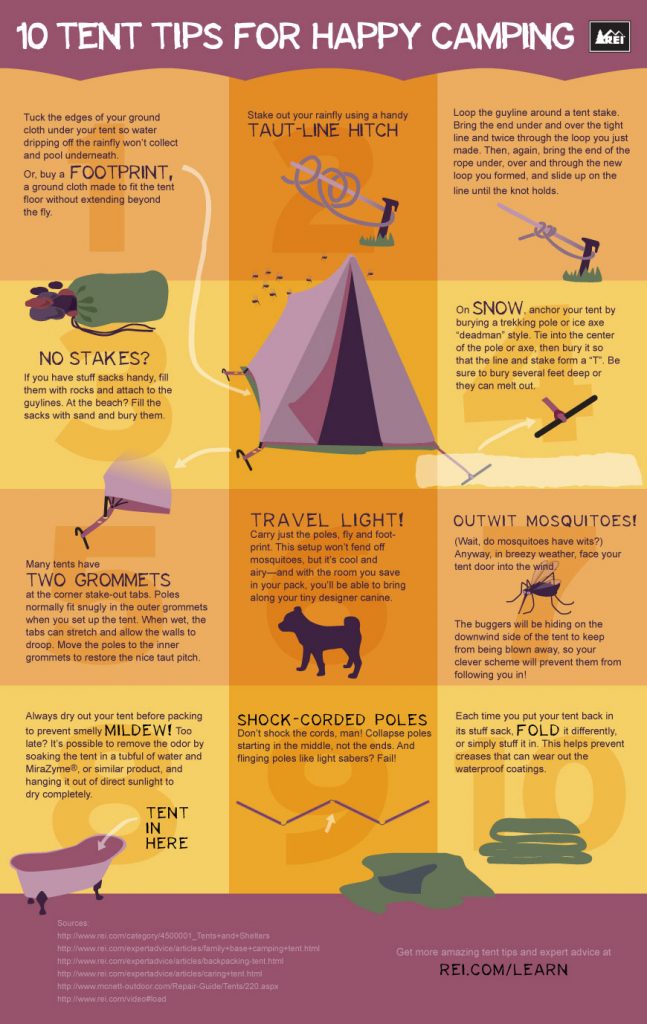
Many campers pay close attention to their rainfly but entirely ignore ground moisture. Without a proper groundsheet or impact underneath your tent, wetness from the soil can tent wick upward through the tent flooring, specifically during colder nights when condensation builds up.
Utilize a footprint made for your outdoor tents or a tarpaulin cut somewhat smaller than your outdoor tents's base. This not just blocks ground moisture but additionally extends the life of your outdoor tents floor dramatically.
Overpacking Your Dry Bags Without Correct Moving
Dry bags are extremely reliable when made use of properly, however campers usually pack them as well complete and stop working to roll the top down enough times to develop a correct seal. A dry bag that is not rolled at the very least three to four times and clipped shut is barely much better than a normal bag.
Keep your most essential products-- electronics, an emergency treatment set, and added garments-- in their own dry bags rather than tossed freely right into a bigger one. Assume that any type of bag without an appropriate seal will splash if it rainfalls hard enough.
Overlooking Condensation Inside the Camping tent
Waterproofing maintains rainfall out, yet many campers fail to remember that wetness can develop from the inside. Breathing, body heat, and cooking inside a camping tent all produce condensation that clings to the interior walls and eventually drips. This is often incorrect for a dripping camping tent.
Proper ventilation is the remedy. Open up tent vents and keep a tiny void in the door or window when weather condition permits. A well-ventilated tent stays drier inside, even throughout cool or wet nights.
Final Thoughts
Excellent waterproofing is not regarding purchasing one of the most expensive equipment-- it is about understanding exactly how that equipment works and keeping it appropriately. By staying clear of these common blunders, you give yourself a much much better possibility of remaining completely dry, comfy, and focused on taking pleasure in the outdoors as opposed to managing the consequences of a soggy camping area.